The agent that read my whole codebase before writing a line
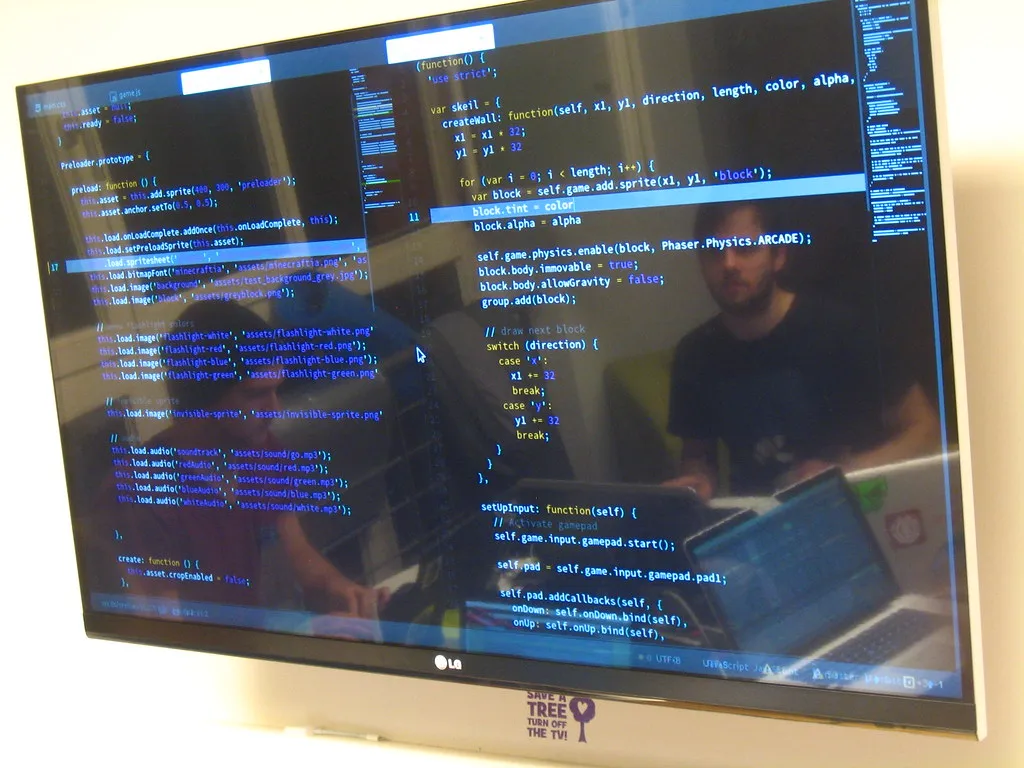
Six months ago I would have pasted a single file into the chat, described the bug, and hoped the model could extrapolate the rest. Now I watch it open twenty files in sequence, trace a data flow across three layers, and arrive at the correct call site without me pointing the way. The context window got big enough that the whole project fits inside it, and that changes everything about how you work with these tools.
The first time an agent correctly identified that a bug in the UI layer was actually caused by a silent default introduced two directories away in a schema file — without me mentioning the schema at all — I stopped treating it as autocomplete with ambition. It had read the codebase the way a careful new hire would, just faster and without needing coffee.
Recall is where it still stumbles. Within a single session the coherence is impressive. Across sessions you get amnesia: the agent re-reads everything from scratch, sometimes reaching slightly different conclusions about architecture than it did last time. I’ve started keeping a short CONTEXT.md at the root of my larger projects — a paragraph of invariants and a map of the main modules — and the consistency of cross-session work improved noticeably.
Trust is the harder recalibration. The failure mode isn’t obvious errors; it’s plausible-looking code that quietly violates a project constraint you forgot to mention. I’ve learned to treat each generated diff the way I’d treat a PR from someone smart who is new to the project: read it properly, don’t just approve because it compiles.
The economics have shifted too. The tasks I now give to an agent are the ones I would previously have handed to a junior engineer for a first pass — read the existing code, make this change, write a test. The tasks I keep for myself are the ones that require judgment about what should exist at all.
I don’t think “trusting the machine” is quite the right frame. It’s more like delegating to a very fast, very literal colleague who has read everything you’ve written but needs you to stay in the loop. The moment you stop reviewing is the moment the quiet mistakes start accumulating.